


Many homes in Orange County are built on slab foundations and understanding the signs of a slab leak can help homeowners save thousands of dollars in plumbing and structural repairs. Some of the most important warning signs of a slab leak includes:
- an unexplained jump in your water bill,
- the sound of running water when everything is turned off,
- a warm or hot spot on the floor,
- an unexplained damp or musty area in your home.
None of these signs should be ignored, especially when they appear without an obvious plumbing source. If you suspect a water leak somewhere beneath your property, a few simple checks can help you determine whether it’s time to call a plumber for water leak detection.
What Is a Slab Leak?
A slab leak is a leak in the plumbing lines running beneath or within your home’s concrete/slab foundation. Because the plumbing is installed within or directly under the slab, water may travel through soil or concrete and show up somewhere far from the actual source.
Slab leaks can occur in either hot or cold water supply lines. A hot-water line leak may create a noticeably warm spot on the floor, while a cold-water line leak may be harder to identify without changes in water usage, sounds, moisture level or water pressure.
The Meter Test: The One Thing to Do Before Anything Else
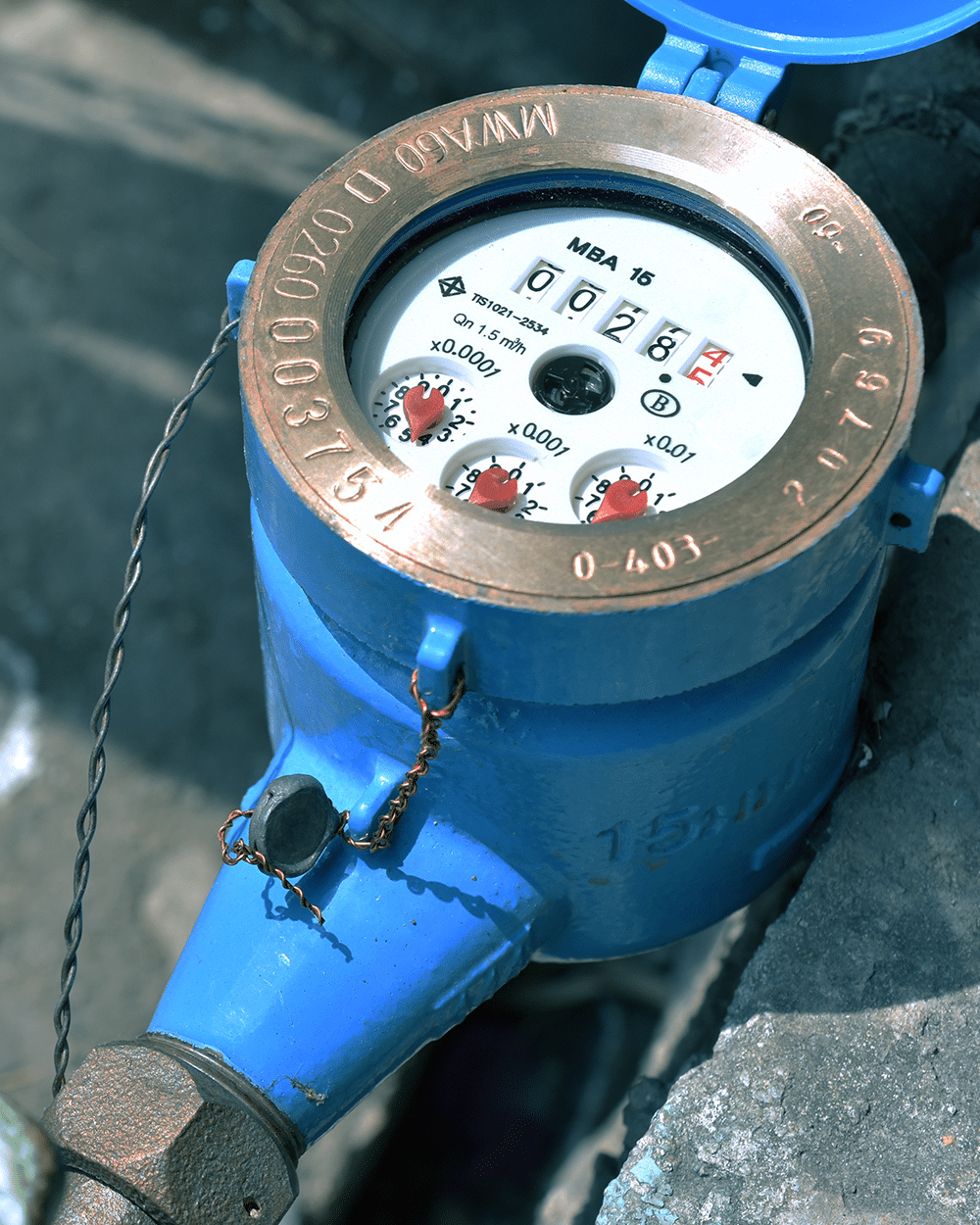
To do so, first, turn off every water source in and around your home. Make sure faucets are closed, toilets aren’t running, appliances such as your washing machine or dishwasher are turned off and your sprinklers aren’t operating. Then check your water meter and note the reading.
Wait one to two hours without using any water, then check the meter again.
If the reading has changed, water is escaping somewhere while your plumbing fixtures are off. While that doesn’t automatically mean you have a slab leak, it confirms that an inspection is needed.
This is an easy and free method that requires no special training or equipment that definitely points to an issue in your plumbing system.
Signs of a Hidden Water Leak
1. Your Water Bill Jumped With No Change in Usage
Your water bill is suddenly much higher than normal, even though your water usage hasn’t changed. A sudden increase can indicate that water is being consumed somewhere you can’t see. This could be a running toilet or leaking outdoor faucet, but it can also be a hidden slab leak.
Urgency: Moderate to high
An increase in your water is a definitive indicator that water is leaking somewhere. While the cause might be as simple as a leaky toilet, a continuous pressurized water leak causes damage to your property, increasing the complexity and costs of repair over time.
2. You Hear Running Water When Nothing Is On
Hissing, rushing, dripping, or the faint sound of running water even though every faucet and appliance is off could be a sign of a hidden leak. A slab leak can sometimes produce sounds that seem to come from beneath the floor, walls, or another part of the house.
Urgency: High
If the sound continues consistently with all water sources off, perform the meter test and contact a plumber if the meter shows unexplained usage.
3. You Feel a Warm or Hot Spot on the Floor
If one section of your floor feels noticeably warmer than the surrounding area, even though there isn’t a heating appliance or other obvious source nearby, this could be a strong clue of a hot-water slab leak. Hot water escaping from a supply line beneath the concrete can heat the surrounding soil and flooring.
Urgency: High
A warm spot doesn’t prove you have a slab leak, but it is a particularly specific warning sign that deserves the attention of a professional.
4. You Find Damp Carpet, Buckling Flooring, or a Cracked Tile With No Obvious Cause
If the carpet in your home stays damp, hardwood begins buckling, laminate separates, or a tile cracks even though there hasn’t been a spill or visible plumbing problem, moisture may be coming from underneath the flooring. Water escaping beneath a slab can migrate through concrete and flooring materials before becoming visible.
Urgency: High
Persistent moisture exposure damages flooring and creates an ideal environment for mold growth, even if the original leak is relatively small.
5. There’s a Persistent Musty Smell in One Area
Persistent moisture can create conditions where mold and mildew develop. This could look like one room, hallway, or section of your home consistently smelling damp or musty without an obvious source. The source could be a hidden slab leak.
Urgency: Moderate
A musty smell alone doesn’t identify the source, but unexplained persistent moisture should be investigated before the problem spreads.
6. Your Water Pressure Has Gradually Dropped
If your faucets and showers don’t seem to have the same pressure they used to, the reason could be a leak somewhere in your plumbing system. However, a gradual pressure change can have several causes, including problems with the municipal supply, a pressure regulator or mineral buildup.
Urgency: Low to Moderate.
If low water pressure is accompanied by a high water bill, running-water sounds or other signs, the concern becomes more significant.
7. You Notice Mildew or Discoloration on a Wall With No Fixture Behind It
You may be dealing with a hidden water or slab leak if you find staining, bubbling paint, warped drywall, or mildew on a wall that isn’t next to a sink, shower, toilet, or other obvious water source. Because water travels, the visible damage won’t necessarily appear directly above or beside the actual source of the leak.
Urgency: High.
Once moisture is affecting drywall or other building materials, identifying and stopping the source should be a priority, before more damage is done.
8. One Patch of Lawn Is Greener or Soggier Than the Rest
Have you ever noticed one area of your yard that stays unusually green, wet, or soft even when the rest of the lawn is dry? This could mean that a buried water leak may be releasing water into the soil. This could involve a water service line, irrigation plumbing, or another underground pipe rather than a slab leak specifically.
Urgency: Moderate to high.
Unexplained wet soil near your home deserves attention, particularly if your water meter also shows continuous usage.
Why Slab Leaks Are So Common in Southern California Homes
Slab leaks are particularly common for Orange County homeowners because many Southern California homes were built with slab-on-grade foundations, rather than basements or crawlspaces. That means your plumbing runs beneath a concrete slab, making leaks significantly harder to see and access.
Older homes can face additional risk because copper supply lines can develop small pinhole leaks over time, while soil movement and abrasion can contribute to deterioration around pipes.
According to a utility study by the Washington Suburban Sanitary Commission (WSSC), most reported pinhole leaks occurred in horizontal cold-water copper piping and approximately 80% of the leaks were found in homes built before 1970. That makes the age and construction of an Orange County home important factors when evaluating unexplained water usage.
Supply-Line Leak vs. Drain Leak vs. Sewer Leak – They’re Not the Same Problem
Understanding the difference between leak types can help you understand why your plumber may approach each problem differently.
Supply-line leak: A water supply pipe carries pressurized water to your fixtures. If it leaks, water may escape continuously, even when no fixture is running. That’s why a supply-line leak can show up during the water meter test.
Drain-line leak: A drain pipe carries wastewater away from fixtures. A drain leak generally occurs when water is being used and draining through the pipe. Because it isn’t a continuously pressurized water source, a meter test may not detect it.
Sewer-line leak: A sewer line carries wastewater from your home toward the municipal sewer system or septic system. Warning signs of damage can include sewage odors, recurring backups, unusually soggy areas of the yard, or patches of unusually lush vegetation.
The symptoms can overlap, but the diagnosis and repair are different. That’s why identifying the source of the leak matters before deciding what type of plumbing repair is needed.
How Bad Is It If I Wait?
A small leak doesn’t necessarily mean your house is about to experience catastrophic damage. But that doesn’t mean it is safe to ignore.
A persistent slab leak can allow moisture to accumulate beneath flooring and building materials. Over time, this may contribute to flooring damage, mold or mildew growth, soil erosion, and damage to other parts of the home. If the leak continues, your water bill will also continue increasing month after month.
The biggest problem with hidden leaks is that the damage can progress quietly. You may notice a slightly higher water bill long before you see any visible water damage.
If your meter confirms unexplained water usage, or you’re noticing multiple warning signs at the same time, getting the source identified sooner rather than later can help limit the potential damage.
How a Plumber Finds a Leak Under Concrete
Professional plumbers can use specialized leak-detection methods to narrow down where water is escaping, including listening equipment, pressure testing and other diagnostic techniques.
The goal is to identify the location of the leak as accurately as possible before determining the appropriate repair. In many cases, this can minimize unnecessary demolition and help determine whether the problem is actually beneath the slab or somewhere else in the plumbing system.
Does Insurance Cover a Slab Leak?
Whether homeowners insurance covers a slab leak depends on the specific circumstances and the terms of your policy.
Insurance policies may treat the cost of repairing the damaged pipe differently from damage caused by a sudden leak and coverage can vary significantly between policies and carriers. Some situations may be treated differently depending on how and when the damage occurred.
If you suspect a slab leak, review your homeowners insurance policy and contact your insurance carrier directly to understand what may or may not be covered before assuming that a repair will be reimbursed.
When a Hidden Leak Becomes an Emergency
Call for immediate professional help if you’re dealing with active flooding, water accumulating rapidly inside your home, or water near outlets, wiring, or electrical equipment. A sudden and significant loss of water pressure can also indicate a major supply-line problem.
If wastewater is backing up into your home or you notice a strong sewage odor accompanied by drainage problems, avoid unnecessary contact with the water and have the source inspected immediately.
When in doubt, the safest approach is to shut off your home’s main water supply if you can do so safely and contact a trusted plumber.
If your Orange County home is showing multiple signs of unexplained water loss, don’t wait for visible damage to tell you there’s a problem. A simple water meter test can be your first step toward finding out whether water is escaping and professional leak detection can help determine where it’s coming from.
Common signs include an unexplained increase in your water bill, running-water sounds when everything is turned off, warm spots on the floor, unexplained dampness, or changes in water pressure.
A slab leak may sound like hissing, rushing, dripping, or running water when all faucets and fixtures are turned off. The sound may seem to come from beneath the floor or from a nearby wall.
Yes. Turn off every water source, check your water meter, wait one to two hours without using water, and check it again. If the reading changes or the leak indicator moves, water is escaping somewhere in your plumbing system.
An unexplained increase can be caused by a running toilet, leaking faucet, irrigation problem, or hidden plumbing leak. If your water use hasn’t changed and you can’t find an obvious cause, a meter test can help determine whether water is continuously escaping.
A slab leak is a leak in a plumbing pipe that runs beneath the concrete foundation of your home. A drain leak involves a wastewater pipe and generally leaks when water is being used and draining.
It can be, particularly if you’re experiencing active flooding, rapid water loss, water near electrical components, or significant damage. A small suspected leak may not require emergency service, but it should still be investigated before the problem worsens.
There isn’t a set timeline because leaks vary in size and location. A small leak can remain hidden for an extended period, sometimes becoming noticeable only through a rising water bill, moisture damage or other subtle warning signs.
Coverage depends on your policy, the cause of the leak and the resulting damage. Insurance may treat pipe repairs differently from damage caused by a leak, so check your policy and speak directly with your insurance carrier.
A persistent leak can contribute to moisture-related problems around the foundation and may cause other damage to flooring, soil, or building materials. If you suspect a slab leak, identifying and stopping the source early can help reduce the potential for more extensive damage.
Many older Orange County homes use copper supply lines installed decades ago, which can develop pinhole leaks over time. Soil movement and abrasion can contribute to deterioration around the pipes.